
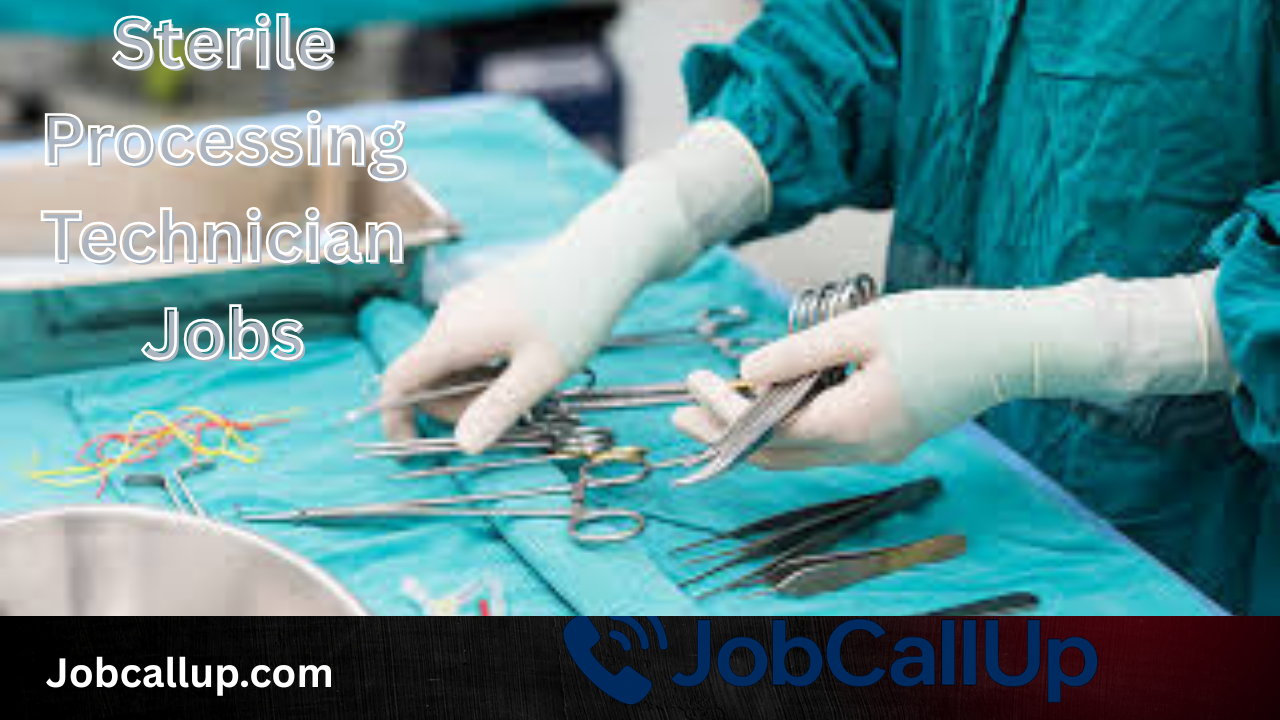
When you hear about careers in healthcare, doctors and nurses usually come to mind first. But behind every successful surgery or hospital procedure, there is an unsung hero the sterile processing technician jobs. This vital role ensures that medical instruments are properly cleaned, sterilized, and ready for use. In fact, without them, hospitals would not be able to function safely. For job seekers looking for healthcare opportunities, sterile processing technician jobs offer an excellent entry point into the medical field, combining stable pay, career growth, and the satisfaction of directly supporting patient care.
At Jobcallup.com, our mission is to guide applicants through the latest recruitment updates, job descriptions, and hiring opportunities. Whether you are a fresh graduate, someone changing careers, or a healthcare worker looking to expand your skills, this guide covers everything you need to know from job responsibilities and required certifications to salary expectations and application tips.
What Are Sterile Processing Technician Jobs?
- Complete a sterile processing certificate or associate program (or equivalent on-the-job training).
- Gain practical experience in decontamination, sterilization, and inventory systems.
- Obtain professional certification (CRCST, CIS, or similar) to boost hire ability.
- Apply on hospital career pages, healthcare job boards, and Jobcallup for local listings.
Why This Role Matters (and Why Employers Hire Fast)
Sterile processing technicians are the unsung heroes of every surgical team. Without reliable SPD teams, surgical procedures can’t happen safely. Hospitals prioritize staff who understand infection prevention, instrument care, and reliable workflow—so there’s consistent demand for qualified SPTs. Jobcallup curates openings and career tips so applicants can move from entry-level to certified technician quickly.
Core Duties of Sterile Processing Technician Jobs & Daily Tasks
Typical responsibilities of Sterile Processing Technician Jobs include:
- Receiving and sorting used instruments and medical devices.
- Decontaminating and cleaning instruments using manual and automated equipment (e.g., ultrasonic cleaners and washers).
- Inspecting instruments for damage, wear, or functionality.
- Assembling instrument sets and packaging for sterilization.
- Operating sterilizers (steam autoclaves, EO, or low-temperature systems) and monitoring sterilization cycles.
- Maintaining accurate records and inventory of sterile supplies.
- Delivering sterile sets to operating rooms and replenishing instrument trays.
- Following infection control and safety protocols at every step.
How To Qualify for Sterile Processing Technician Jobs: Education, Training & Certification
Most employers accept a high school diploma plus specialized sterile processing training (certificate or associate degree). Key certifications that improve employability include:
- CRCST (Certified Registered Central Service Technician) — commonly issued by IAHCSMM.
- CIS (Certified Instrument Specialist) — advanced focus on instruments.
- Local or national healthcare certification equivalents depending on your country (e.g., NHS-equivalent training in the UK, local health training programs in Nigeria).
Jobcallup recommends combining formal training with a clinical internship or on-the-job experience to build practical competence quickly.
Salary Expectations of Sterile Processing Technician Jobs & Work Schedule
Salaries vary by country, facility type, and experience. In the U.S., entry-level SPTs typically start around $15–$22 per hour; experienced or certified technicians can earn more. In other markets, expect lower nominal pay but similar career progression opportunities for example, hospital SPD roles in major cities (Lagos, Abuja) may offer structured pay scales, allowances, and benefits.
Shifts often include nights, weekends, and on-call rotations because surgical lists run round-the-clock. Highlight schedule flexibility on your application when possible.
Where to Find Sterile Processing Technician Jobs
Top places to look :
- Hospital career portals (example: Cleveland Clinic Careers or Johns Hopkins Medicine Careers for U.S. applicants).
- Healthcare job boards (e.g., Indeed, Glassdoor, and specialty healthcare recruitment sites).
- Local government or public health job sites (teaching hospitals and public health commissions in your country).
- Jobcallup for curated listings, local hiring drives, and recruitment tips targeted to applicants.
Example outbound links for application reference: Cleveland Clinic Careers and Johns Hopkins Medicine Careers.
Resume & Interview Tips
On your resume, list practical SPD tasks, instruments you’ve handled, sterilization methods you know, and any certification. During interviews, be ready to:
- Explain sterilization cycle monitoring and your role in preventing infections.
- Describe how you handle damaged instruments or discrepancies in inventory.
- Give examples of teamwork with OR staff and compliance with safety policies.
Jobcallup suggests a one-page CV for entry-level applicants with a focused skills section and a short cover note tailored to the hospital.
Career Path of Sterile Processing Technician Jobs & Advancement
With experience and certification, sterile processing technicians can advance to roles such as Lead SPD Technician, SPD Supervisor, Sterile Processing Educator, or OR Supply Coordinator. Continuous training in instrument maintenance and sterilization tech will open supervisor and cross-department opportunities.
Frequently Asked Questions on Sterile Processing Technician Jobs.
What is a sterile processing technician?
A sterile processing technician cleans, inspects, assembles, sterilizes, and distributes surgical instruments and medical equipment used across healthcare settings. They ensure instruments are safe and ready for procedures.
Do sterile processing technicians work in hospitals only?
Primarily hospitals and surgical centers hire SPTs, but they can also work in dental offices, outpatient clinics, veterinary hospitals, and medical device reprocessing companies.
Do I need a degree to become an SPT?
Not usually. Many employers accept a high school diploma and a sterile processing certificate or completion of an accredited SPD program. Hands-on experience is highly valued.
What certifications help land a Sterile Processing Technician Jobs?
Common certifications include CRCST (IAHCSMM), CIS (IAHCSMM), and local equivalents. Certification demonstrates competence and often improves pay and promotion prospects.
How long does it take to train as an SPT?
Certificate programs range from a few months to a year. On-the-job training can take 3–6 months to become fully proficient depending on case volume and mentorship.
Is sterile processing stressful?
The work is detail-oriented and fast-paced, especially in high-volume hospitals. Stress is manageable with good protocols, training, and team support.
What are common daily tools and equipment?
Ultrasonic cleaners, washer-disinfectors, steam autoclaves, low-temperature sterilizers, instrument inspection lights, and sterilization monitoring tools (biological and chemical indicators).
Are there health risks on Sterile Processing Technician Jobs?
Risks include exposure to biohazards and ergonomic strain from lifting. Strict infection control protocols and PPE reduce risk significantly.
How much do SPTs earn?
Pay varies widely: entry-level U.S. rates often start around $15/hour; certified and experienced techs earn more. International pay differs; check local job boards and Jobcallup for regional data.
Can I switch careers into SPD from another healthcare role?
Yes many SPTs transition from roles like nursing assistant, surgical tech, or lab support. Transferable skills include infection control, instrument handling, and teamwork.
What soft skills matter most?
Attention to detail, communication, teamwork, time management, and reliability are key. SPD work requires consistent accuracy and collaboration with surgical teams.
Do I need to be good with technology as Sterile Processing Technician?
Basic tech skills are useful many hospitals use inventory and sterilization tracking software. Learning these systems improves efficiency and promotability.
Will I work nights or weekends on Sterile Processing Technician Jobs?
Possibly. Many hospitals require 24/7 coverage for surgical services; be prepared for shift work and on-call rotations.
How do employers test competency?
Competency is assessed through practical exams, supervised shifts, and knowledge checks on sterilization methods and instrument care.
Is certification mandatory on Sterile Processing Technician Jobs?
Not always mandatory, but many employers prefer or require certification for certain positions, especially supervisory roles.
Are there apprenticeship programs?
Yes. Some hospitals offer apprenticeship or trainee programs combining classroom study and hands-on experience—great for building career-ready skills.
How do I write a resume for SPD jobs?
Focus on relevant tasks (sterilization, instrument prep), certifications, hands-on experience, and soft skills. Use specific keywords from job postings.
What interview questions should I expect on Sterile Processing Technician Jobs?
Questions often cover sterilization knowledge, handling damaged instruments, prioritizing tasks, and teamwork examples. Prepare scenario-based answers.
Can SPTs advance into management?
Yes—advancement to Lead, Supervisor, or Manager roles is common with experience, leadership, and advanced certification.
Is continuing education necessary?
Yes standards and devices evolve. Continuing education and recertification maintain competence and career mobility.
Are SPT jobs available in rural areas?
Yes. Rural hospitals, clinics, and ambulatory surgery centers need SPD staff. These roles can offer hands-on experience and broader responsibilities.
How important is instrument knowledge?
Critical. Knowing instrument names, uses, and inspection points prevents procedure delays and patient risk.
Do SPTs interact with patients?
Usually minimal interaction is mostly with clinical staff and surgical teams. However, clear communication is needed when coordinating instrument delivery.
What documentation skills are required?
Accurate logging of sterilization cycles, inventory records, and instrument tracking is essential for compliance and patient safety.
How do I find internships in SPD?
Contact local hospitals, vocational schools, or training programs. Jobcallup can list internships and trainee programs when available.
What is the difference between SPD and OR tech?
SPD focuses on instrument reprocessing and sterilization; OR techs assist during surgeries. Both roles collaborate closely but have distinct responsibilities.
Are there specialty areas within SPD?
Yes some techs specialize in endoscopy, sterilization monitoring, or instrument repair and maintenance.
How do I prepare for a practical skills test?
Practice instrument cleaning, set assembly, packaging, and running sterilizers under supervision. Study sterilization parameters and monitoring methods.
Will I handle delicate or expensive instruments?
Yes many instruments are delicate and costly. Proper inspection and gentle handling are essential to extend instrument life and avoid surgical delays.
30. What infection control standards apply?
Standards vary by country but commonly include WHO, CDC, and national health authority guidelines. Employers follow these for SPD protocols.
How often are sterilizers validated?
Sterilizers are monitored daily with chemical indicators; biological indicators are used routinely per hospital policy and regulatory requirements.
Can I become an SPD trainer?
Yes—experienced SPTs with strong communication skills can become educators or trainers within SPD departments.
What personal protective equipment (PPE) is used?
PPE includes gloves, gowns, eye protection, and sometimes respiratory protection depending on the procedure and decontamination agents used.
How do SPTs handle instrument recalls?
Follow hospital protocol quarantine affected instruments, notify supervisors, document actions, and coordinate with suppliers for repair or replacement.
What are common career challenges of Sterile Processing Technician?
High workload, repetitive tasks, and the need to maintain constant attention to detail. Good staffing, training, and ergonomics help mitigate challenges.
Is Sterile Processing Technician a physically demanding job?
Yes lifting instrument trays, standing for long periods, and repetitive motions are common. Good lifting technique and breaks help reduce strain.
Are there temporary or travel SPT jobs?
There are travel or contract positions in some regions, especially where hospitals face staffing shortages or during surge events.
How do I stay current with SPD innovations?
Subscribe to industry journals, join professional bodies (IAHCSMM), attend workshops, and participate in employer-led training.
Can SPT experience transfer to device reprocessing companies?
Yes skills in sterilization and instrument care are valuable in medical device companies, endoscope reprocessing firms, and infection prevention sectors.
Are background checks required?
Most healthcare employers require background and sometimes drug screening due to patient safety considerations.
How do I list SPD skills on LinkedIn?
Use clear keywords like “Sterile Processing,” “Instrument Reprocessing,” “Autoclave Operation,” and list certifications (CRCST) and measurable achievements.
What languages boost employability?
Local language fluency helps with on-site communication; English proficiency is often required for documentation and guidelines in many hospitals.
Do SPTs participate in OR case planning?
SPDs coordinate with OR teams to ensure required instrument sets are prepared and available for scheduled procedures.
How do I negotiate pay as an SPT?
Research local pay rates, highlight certifications and experience, and discuss shift differentials or on-call premiums during offer negotiations.
Where can I see current job listings?
Check hospital career pages, major job boards, professional associations, and Jobcallup for curated local and international listings.