
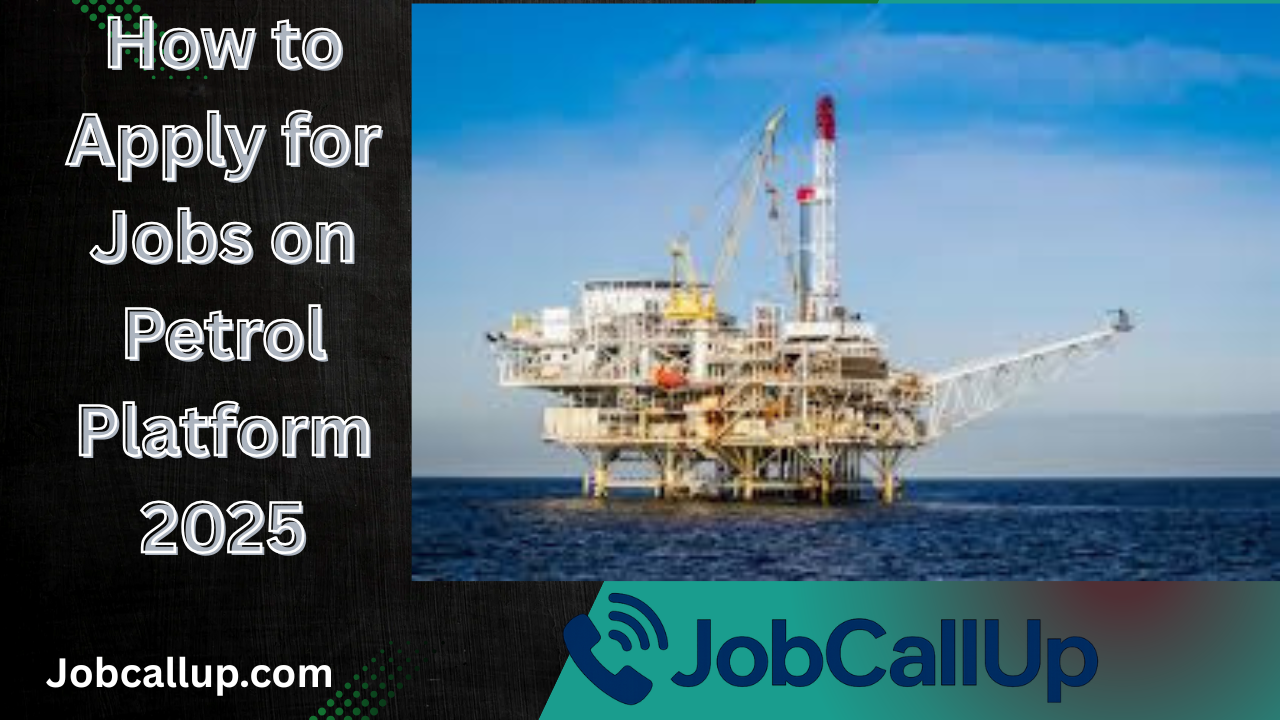
Jobs on petrol platforms include roles such as offshore engineers, safety officers, welders, and rig operators. Salaries range from ₦250,000 to ₦1,500,000 monthly depending on role and location. Applications are usually done via oil company career portals or recruitment agencies.
What Are Petrol Platform Jobs?
Petrol platform jobs refer to employment opportunities on offshore oil and gas rigs where crude oil and natural gas are explored, drilled, and processed. These platforms require skilled workers ranging from engineers to support staff.
Eligibility and Requirements of Jobs on Petrol Platform
- Minimum of SSCE/WAEC for entry-level support jobs.
- Higher qualifications (BSC, HND) for engineers, technicians, and managers.
- Certifications like BOSIET, HUET, or HSE are often mandatory.
- Good physical fitness and ability to work offshore for long periods.
Popular Roles on Petrol Platforms of Jobs on Petrol Platform
- Drilling Engineers
- Rig Operators
- Safety Officers
- Welders & Technicians
- Catering Staff
- Marine Engineers
- Geologists
Salary and Benefits of Jobs on Petrol Platform
Salaries vary based on role, company, and experience. For Nigerian offshore jobs:
- Support staff: ₦250,000 – ₦500,000/month
- Skilled technicians: ₦600,000 – ₦1,000,000/month
- Engineers & managers: ₦1,200,000 – ₦1,500,000/month+
Benefits often include free accommodation, feeding, hazard allowances, health insurance, and international travel opportunities.
How to Apply for Petrol Platform Jobs
- Prepare your CV highlighting offshore/oil industry experience.
- Obtain necessary certifications (e.g., BOSIET).
- Visit official oil company websites (e.g., Shell Careers).
- Register on recruitment agencies specializing in oil & gas.
- Apply early and prepare for aptitude and medical tests.
Challenges of Petrol Platform Jobs
Life offshore is rewarding but tough:
- Long shifts (12 hours+ daily).
- 2–4 weeks away from family during rotations.
- Work in high-risk environments.
- Strict health and safety rules.
FAQs on Jobs on Petrol Platforms
What qualifications do I need for petrol platform jobs?
It depends on the role. Entry-level roles may only require SSCE, but most technical roles require HND/B.Sc. plus certifications like BOSIET.
How much do petrol platform workers earn in Nigeria?
Salaries range from ₦250,000/month for support staff to ₦1.5 million/month for senior engineers and managers.
Are petrol platform jobs only offshore?
Most are offshore, but support jobs (logistics, HR, finance) can be onshore in company offices or depots.
What certifications are required?
BOSIET, HUET, HSE, and trade-specific certifications (e.g., welding, marine engineering) are key.
Which companies hire for petrol platform jobs?
Major employers include Shell, Chevron, ExxonMobil, Total Energies, and Nigerian National Petroleum Company Limited (NNPCL).
Can fresh graduates apply?
Yes. Many companies have graduate trainee programs for engineers, geologists, and administrative staff.
Is working on a petrol platform dangerous?
There are risks due to heavy machinery and offshore conditions, but safety protocols greatly reduce accidents.
How do offshore shifts work?
Typically, workers spend 2–4 weeks offshore followed by 2–3 weeks rest onshore.
Are there female workers on petrol platforms?
Yes, although the industry is male-dominated, more women now work as engineers, geologists, and managers.
Can I apply without experience?
Yes, for entry-level roles or through graduate trainee schemes. Experience is crucial for mid-level jobs.
How do I find legitimate job postings?
Always apply through official company websites or trusted recruitment agencies. Avoid agents demanding payment.
Do companies provide accommodation?
Yes, offshore platforms provide free living quarters, meals, and recreational facilities.
How can I prepare for petrol platform interviews?
Focus on safety knowledge, technical skills, and ability to work under pressure in team settings.
Are internships available?
Yes. Some oil companies offer student internships in offshore and onshore roles.
What medical tests are required?
Physical fitness tests, drug and alcohol screening, and full medical check-ups are standard.
Do petrol platform jobs include insurance?
Most reputable companies provide health, life, and accident insurance for offshore workers.
Can non-Nigerians apply for jobs in Nigeria?
Yes, but they usually require work permits. Many expatriates work in managerial roles.
What soft skills are important?
Teamwork, problem-solving, adaptability, and communication are vital for offshore life.
How do I transition from onshore to offshore?
Start with onshore oil-related roles, gain experience, then pursue offshore certifications and applications.
Are petrol platform jobs permanent?
Some are permanent, but many are on contract, especially in drilling projects.
Do companies sponsor certifications?
Yes. Some firms pay for BOSIET and safety courses once you’re offered employment.
Can I grow a career long-term?
Absolutely. Many platform workers move into management, consultancy, or start private firms.
Are there age limits?
Generally, 18–35 for entry roles. Senior specialists may be older with experience.
Do I need swimming skills?
Not compulsory, but helpful. Safety training usually includes survival at sea drills.
Where are Nigeria’s major petrol platforms located?
Most are offshore in Niger Delta regions, including Rivers, Delta, Akwa Ibom, and Bayelsa states.