
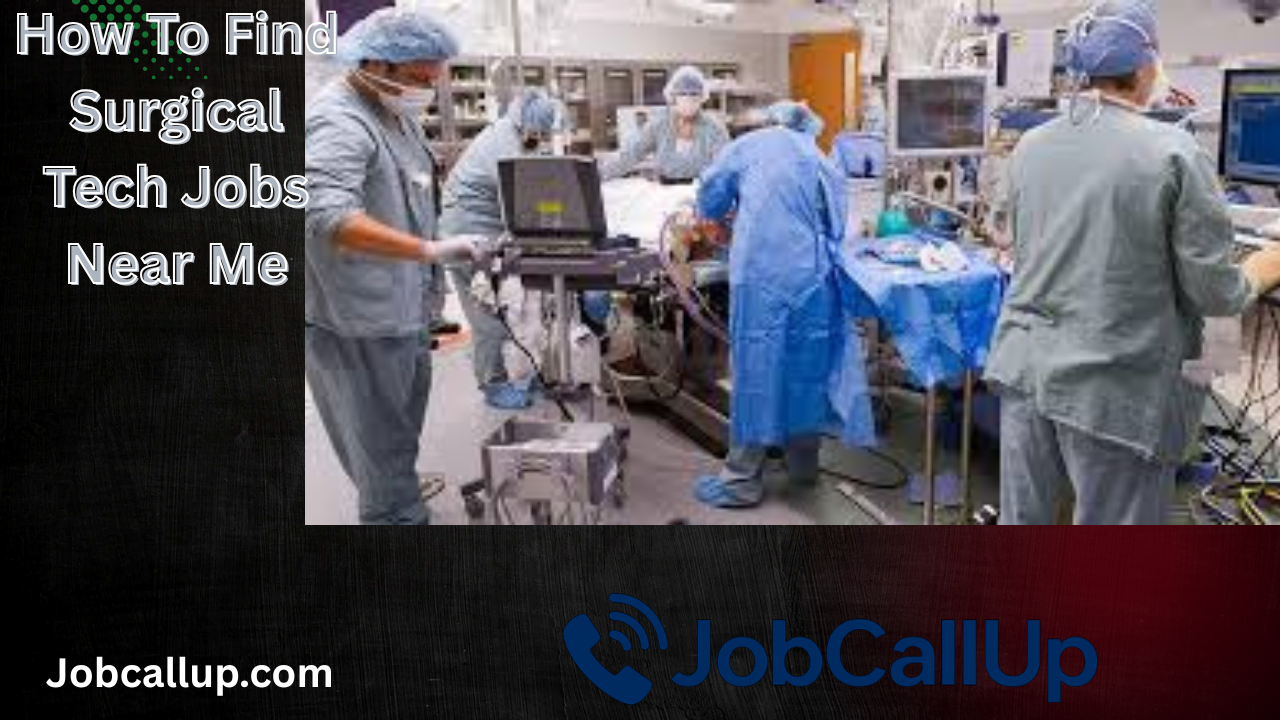
To find surgical technologist openings near you in 2025: 1) search local hospital career pages and major job boards (Indeed, Glassdoor, LinkedIn); 2) set alerts on Jobcallup and state healthcare systems; 3) apply for internships/externships and entry-level roles if you lack experience; 4) highlight certification (CST) when available certified techs earn more; 5) consider travel assignments offering relocation assistance if you’re open to moving. For state-specific searches use city + specialty (e.g., “orthopedic surgical tech jobs Houston”).
What Surgical Technologists Do
Surgical techs prepare operating rooms, sterilize instruments, assist surgeons by passing instruments, and maintain aseptic technique during procedures. Some work in inpatient ORs, ambulatory surgery centers, or specialty units like labor & delivery, orthopedics, and cardiovascular surgery. Certifications, surgical specialty experience, and soft skills like communication and calm under pressure influence hiring and pay.
How To Search For Surgical Tech Jobs Near Me
Set Targeted Alerts
Use Jobcallup, Indeed, Glassdoor, and LinkedIn job alerts with keywords like “surgical technologist,” “scrub tech,” plus your city. Hospital career pages update openings before boards in many cases — add top local hospital HR pages to your bookmarks.
Use Location + Specialty Strings
Search “surgical tech jobs in Texas orthopedic Houston” or “surgical tech jobs in Florida labor and delivery Miami” to surface specialized roles. State medical centers and teaching hospitals often list multiple openings.
Contact Agencies for Travel Jobs
Specialty travel staffing agencies place surgical techs nationally and often offer relocation assistance, housing stipends, and bonuses. Travel jobs are a fast route to higher pay and variety if you’re flexible.
Surgical Tech Jobs in Texas What to Expect
Texas remains a hiring hotspot — large hospital systems in Houston, Dallas, Austin, and San Antonio constantly recruit scrub techs for general ORs and specialty teams. Orthopedic and cardiovascular surgeries are especially active in major metro areas. Entry-level wages vary by region and facility funding but often include shift differentials for nights and weekends.
Local Tip in Houston & Dallas
Look at university hospitals and large private hospital networks. These employers often provide internship pipelines, tuition assistance for certification, and travel nurse-style contracts for short-term staffing needs.
Surgical Tech Jobs in Florida, Demand & Opportunities
Florida’s aging population sustains demand in hospitals and ambulatory surgery centers. Miami, Tampa, and Orlando frequently advertise surgical tech roles in ORs and labor & delivery. Seasonal staffing surges around peak tourist seasons may create temporary and travel openings.
Local Tip in Labor & Delivery Roles
Check maternity hospitals and women’s health centers — many hire surgical techs with cross-training in obstetric procedures.
Surgical Tech Jobs in California (2025)
California offers strong pay in coastal metros (Los Angeles, San Diego, San Francisco Bay Area). However, cost of living is high. Specialty centers for cardiovascular and orthopedic surgery are common, and many institutions require or prefer certification (CST). Expect higher baseline wages but also stronger candidate competition.
Local Tip in San Diego & LA
Large academic hospitals and private specialty centers often list positions with advanced training pathways and certification reimbursement programs.
Entry Level of Surgical Tech Jobs with No Experience as Recent Graduates
Hospitals hire entry-level candidates through surgical tech programs, externships, and certified nursing assistant (CNA) transitions. If you’re a recent graduate or switching careers: apply to externships, volunteer in perioperative units, and highlight any clinical lab or sterile processing experience. Some facilities offer “new grad” orientation programs that include supervised shifts.
Resume Tips for Entry-Level Applicants
Feature clinical rotations, infection control knowledge, any sterile processing experience, and soft skills (teamwork, communication). Keep the resume concise one page is fine for recent grads. A cover letter tailored to the OR culture can boost response rates.
Certified Surgical Tech Jobs vs Non-Certified Why Certification Matters
Certification (CST through the NBSTSA, or local state credentials) isn’t universally required but strongly preferred. Certified techs typically earn higher pay, have better job mobility, and are more likely to be placed in specialty OR teams. Non-certified techs can work under supervision but may be limited in advancement. If possible, obtain certification early — many employers reimburse exam fees for successful candidates.
Surgical Tech Internships & Externships Gateway to Employment
Internships and externships provide real OR exposure and frequently convert to full-time offers. Apply via community colleges, surgical tech programs, and hospital education departments. Be proactive: reach out to clinical coordinators, attend hospital job fairs, and follow-up after rotations to express interest.
Travel Surgical Tech Jobs & Relocation Assistance
Travel contracts (8–13 weeks typical) can pay significantly more and include relocation assistance, housing stipends, and completion bonuses. Agencies vet credentials and place techs nationwide. If you plan to use travel roles to boost experience, track specialties you enjoy (orthopedics, cardiovascular) and build references with each contract supervisor.
Specialty Surgical Tech Roles Ortho, Cardio, Labor & Delivery
Orthopedic Surgical Tech Jobs
Orthopedic techs assist with joint replacements, arthroscopy, and trauma cases. Familiarity with specific instrument sets, power tools, and implant handling is key. Specialty experience often commands a premium.
Cardiovascular Surgical Tech Jobs
Cardiac OR roles require meticulous attention and familiarity with bypass equipment, vascular instruments, and lengthy procedural workflows. Certification and prior cardiac experience are highly valued.
Labor & Delivery Surgical Tech Jobs
These techs assist during C-sections and emergency OB procedures. Cross-training in neonatal safety and rapid response protocols helps your candidacy in hospitals with maternity units.
Part-Time Surgical Tech Jobs & Work Life Balance
Part-time positions exist in smaller hospitals, outpatient surgery centers, and specialty clinics. Part-time work can suit students or professionals balancing family commitments. Be aware that part-time roles may have limited benefits compared with full-time positions.
Pay, Benefits & Career Growth
Salaries vary by state, facility, experience, and specialty. As of 2025 rough ranges (estimate): entry-level $40k–$55k; experienced/ certified $55k–$85k; specialty or travel contracts often exceed $90k with bonuses. Benefits frequently include health insurance, retirement plans, tuition reimbursement for certification, and paid time off. Ask about shift differentials, on-call stipends, and relocation packages during interviews.
Application & Interview Tips; Stand Out as a Surgical Tech Candidate
- Customize your resume for OR language — instrument experience, sterile technique, and case exposure matter.
- Prepare STAR examples for teamwork and handling OR stress.
- Show willingness to work flexible shifts — many hospitals prioritize candidates who can cover nights/weekends.
- Follow up respectfully after interviews and ask about timelines.
Top Places To Search Surgical Tech Jobs
Start with: Jobcallup, hospital career pages, USAJobs (for federal hospitals), Indeed, Glassdoor, and LinkedIn. For travel roles, check reputable staffing agencies that specialize in allied health placements.
Note: If you’re interested in government healthcare recruitment in other countries, official portals (for example the Nigerian government recruitment portal) post public sector vacancies — check trusted government pages regularly.
Frequently Asked Questions Surgical Tech Jobs.
What exactly does a surgical technologist do?
Surgical technologists prepare and maintain sterile operating room environments, set up instrument trays, pass instruments to surgeons, and help with counts and cleanup. They act as critical infection-control guardians and must anticipate the surgeon’s needs. Depending on the facility, techs may also assist with equipment maintenance and prepping patients pre-op.
How do I find surgical tech jobs near me?
Use Jobcallup to set local alerts, check hospital career pages daily, and create keyword filters on major job boards with your city. Attend local hospital hiring fairs and connect with surgical tech program coordinators at community colleges who often notify students of openings before public posting.
Are surgical tech jobs in Texas easy to find?
Texas has robust healthcare systems and frequent openings, especially in Houston, Dallas, and San Antonio. Demand in Texas is steady due to population size and large medical centers. Competition varies by city and specialty, but many facilities run orientation programs to train new hires.
How competitive are surgical tech jobs in Florida?
Florida’s aging population keeps demand high for surgical techs, particularly in hospitals and outpatient surgical centers. Competition exists in popular metro areas, but seasonal surges and turnover create regular hiring opportunities.
What’s different about surgical tech jobs in California in 2025?
California often offers higher wages due to living costs and competitive healthcare markets. Specialty centers in LA and San Diego recruit for advanced procedures requiring experienced techs. Expect higher certification expectations and stronger preference for techs with specialty OR experience.
Can I get a surgical tech job with no experience?
Yes — through structured externships, new-graduate orientation programs, or by starting in related roles like sterile processing or as a CNA. Hospitals sometimes hire trainees who complete a surgical tech certificate while employed, but career progression is faster with clinical exposure.
Are travel surgical tech jobs worth it?
Travel roles pay well and provide exposure to varied OR environments, accelerating learning. They are worth it if you value higher pay, flexible assignments, and relocation support. However, travel jobs require adaptability and tolerance for frequent change in teams and procedures.
Do travel jobs include relocation assistance?
Most travel contracts include relocation assistance, housing stipends, or temporary housing arrangements. Always confirm housing details and any reimbursement caps before accepting a contract to avoid unexpected expenses.
What is the difference between certified and non-certified surgical tech jobs?
Certified techs (e.g., CST) have passed a recognized exam and generally have higher pay, more opportunities, and better protections for scope of practice. Non-certified techs can work under supervision but may face limits on advancement and movement between facilities.
How do I become certified as a surgical technologist?
Complete an accredited surgical technologist program and then sit for the NBSTSA’s CST exam or equivalent national certification. Some states and employers accept alternative certifications, but CST remains the most widely recognized credential.
Are there entry-level surgical tech jobs for recent graduates?
Yes. Recent graduates should apply for new-grad positions, clinical instructor-supervised roles, or PRN/hourly openings. Highlight clinical rotation hours, lab skills, and any perioperative clinical experiences on your resume.
How can a surgical tech get into a specialty like orthopedic or cardiovascular?
Gain experience in general OR, then seek cross-training opportunities, mentorship, and continuing education in the targeted specialty. Hospitals often promote internal candidates with demonstrated reliability and instrument knowledge to specialty teams.
Are there part-time surgical tech jobs?
Yes. Clinics, same-day surgery centers, and small hospitals sometimes offer part-time schedules. Part-time roles may be PRN (as needed) and can suit students or professionals balancing other responsibilities.
What should I include in a surgical tech resume?
List your certification status, clinical rotations, instrument sets you’ve worked with, sterile technique experience, and soft skills (teamwork, communication). Quantify experience (number of cases assisted, types of procedures) and include references or clinical supervisor contacts.
Do surgical techs work nights and weekends?
Yes. Hospitals operate 24/7, and many surgical techs cover nights, weekends, and on-call shifts. Willingness to work flexible hours can boost hiring prospects and pay via shift differentials.
What is the pay range for surgical techs in California vs Texas vs Florida?
Approximate 2025 ranges: California $55k–$85k (metro areas higher); Texas $48k–$78k; Florida $45k–$75k. Specialty experience, certification, and facility type (academic vs community) affect pay significantly.
Can employers help pay for certification?
Many hospitals reimburse exam fees or offer scholarships for employees seeking certification. Ask about education assistance or tuition reimbursement programs during interviews.
What are common interview questions for surgical tech jobs?
Expect questions about sterile technique, handling instrument counts, prioritizing tasks during long cases, teamwork examples, and how you handle stressful situations. Prepare concise examples from clinical rotations or prior healthcare roles.
How do I find surgical tech internships or externships?
Contact local community colleges, surgical tech programs, and hospital education departments early. Many programs maintain lists of affiliate hospitals that accept externs each semester.
Is working as a travel surgical tech stressful?
It can be — travel techs adapt to new teams, equipment, and policies quickly. For many, the excitement, pay, and professional growth outweigh the stress, but it’s important to assess personal resilience before committing to travel contracts.
How long does it take to move from entry-level to a specialty surgical tech role?
With strong performance and mentoring, 1–3 years of consistent OR experience can qualify you for specialty cross-training. Demonstrating initiative, reliability, and learning on the job accelerates advancement.
Are surgical tech jobs on LinkedIn and Indeed reliable?
Yes — they aggregate many legitimate openings, but verify each posting on the hospital’s career page when possible. Beware of questionable listings that ask for payment or personal banking details; reputable employers will not request fees to interview.
What are travel surgical tech agencies to consider?
Work with reputable agencies that specialize in allied health and surgical placements; research company reviews, contract terms, housing arrangements, and insurance coverage. Ask peers and check industry forums for reputable agency recommendations.
How do I negotiate relocation assistance?
Communicate your needs clearly after receiving an offer. Ask about lump-sum relocation, housing stipends, temporary housing, and reimbursement caps. If relocation is essential, consider requesting a sign-on bonus if relocation assistance is limited.
Can a surgical tech switch to nursing?
Yes. Many surgical techs later pursue LPN or RN programs. OR experience is valuable in nursing school applications and for operating room nursing roles.
What continuing education options exist for surgical techs?
Options include specialty certificate courses (orthopedic instrument training, cardiovascular), continuing education units (CEUs) from professional bodies, and workshops on new technologies or minimally invasive instrument sets. Employers often support CEUs for credential maintenance.
Do surgical techs need immunizations?
Yes. Employers typically require proof of immunizations (MMR, Hep B), TB screening, and sometimes flu vaccination as part of onboarding for patient safety.
How does working in an academic hospital differ?
Academic hospitals often handle complex or rare procedures, and techs may assist in teaching or research cases. Schedules can be more variable but the exposure to advanced techniques and mentorship opportunities is greater.
What personal qualities make a successful surgical tech?
Attention to detail, manual dexterity, calm under pressure, excellent teamwork, and a commitment to infection control are essential. Reliability and strong communication with surgeons and nurses elevate performance in the OR.
Are part-time surgical tech roles common in ambulatory centers?
Yes. Ambulatory surgery centers often hire part-time or PRN staff to cover elective procedure lists. These roles can complement part-time schedules or second jobs for experienced techs.
Can surgical techs work internationally?
Yes, but international work typically requires credential verification, possible additional training, and compliance with local licensing. Some travel contracts are available abroad, particularly with NGOs or international medical missions.
How important is instrument knowledge for specialty roles?
Instrument familiarity is critical. Specialty ORs use unique trays and implants; knowing setup, care, and troubleshooting reduces turnover time and surgical risk. Hands-on practice and mentorship accelerate your mastery.
What is the role of sterile processing experience in OR hiring?
Experience in sterile processing (SPD) shows understanding of sterilization principles and instrument care — skills highly transferable to the OR. Employers often value candidates who have SPD or central sterilization background.
How do I maintain my certification?
Maintain required continuing education units (CEUs) and renew certifications as required by the certifying body. Many employers support CEUs and grant time or funding for re-certification activities.
Are surgical tech jobs stable long-term?
Yes. Healthcare is resilient and demand for surgical techs remains steady. Technological changes and rising surgical volumes sustain long-term career prospects, especially for certified and specialty-trained techs.
What are common onboarding expectations for new surgical tech hires?
Expect orientation on hospital policies, OR workflows, instrument sets, shadow shifts with senior techs, and competency checklists. Some hospitals require a probationary period with skills validation before independent assignment.
How do I get experience if there are no openings?
Volunteer in hospital departments, apply for sterile processing or central supply roles, and pursue short certificate courses. Network with program graduates and faculty; sometimes informal introductions lead to openings before public posting.
Do travel agencies require prior experience?
Most reputable travel agencies prefer at least 1–2 years of OR experience, though some may accept new graduates on select contracts. Verify requirements and expected supervision level before committing.
What career progression paths exist for surgical techs?
Progression includes lead tech, OR educator, surgical first assistant (with further training), OR manager, or transitions into nursing, perfusion, or sterile processing leadership. Specialty mastery and leadership experience open supervisory and educator roles.
How can Jobcallup help me find the right surgical tech role?
Jobcallup aggregates curated openings, highlights internships and relocation opportunities, and provides application tips for surgical tech candidates. Set job alerts and subscribe to regional updates to receive tailored listings for Texas, Florida, California, and your local area.
Should I prioritize certification or experience first?
If possible, pursue both: complete an accredited program to qualify for certification and gain on-the-job experience through internships or SPD roles. If forced to choose, short-term paid experience can sometimes lead to employer-supported certification later.
What are the red flags in surgical tech job listings?
Be cautious of listings that ask for payment to apply, lack clear employer information, or request sensitive personal data too early. Verify postings on official hospital career pages or reputable job boards.
How do I approach a hospital for an informational interview?
Contact the OR educator or clinical coordinator with a concise email stating your background, interest, and availability for a short informational conversation. Bring specific questions about training pathways and typical day-to-day duties to make the most of the meeting.
What resources help me prepare for the CST exam?
Use official study guides from the certifying body (NBSTSA), review courses at community colleges, practice question banks, and join study groups. Hands-on practice in lab settings complements theoretical prep.
Can I work as a surgical tech while studying nursing?
Yes. Many nursing students work PRN in the OR as surgical techs or CNAs. This practical experience is valuable for nursing school and future OR nursing roles.